CNBC cooperates with prediction market Kalshi, real-time odds 2026 fully launched TV programs, news reports
CNBC, a large American media, signed a multi-year exclusive contract with Kalshi to insert real-time probability marquees into its programs starting in 2026. Mainstream media are accelerating their embrace of prediction markets.
(Preliminary summary: The latest interview between Arthur Hayes and Tom Lee: DAT, stablecoins and the future of prediction markets)
(Background supplement: Polymarket returns to the United States, where is the next opportunity for prediction markets?)
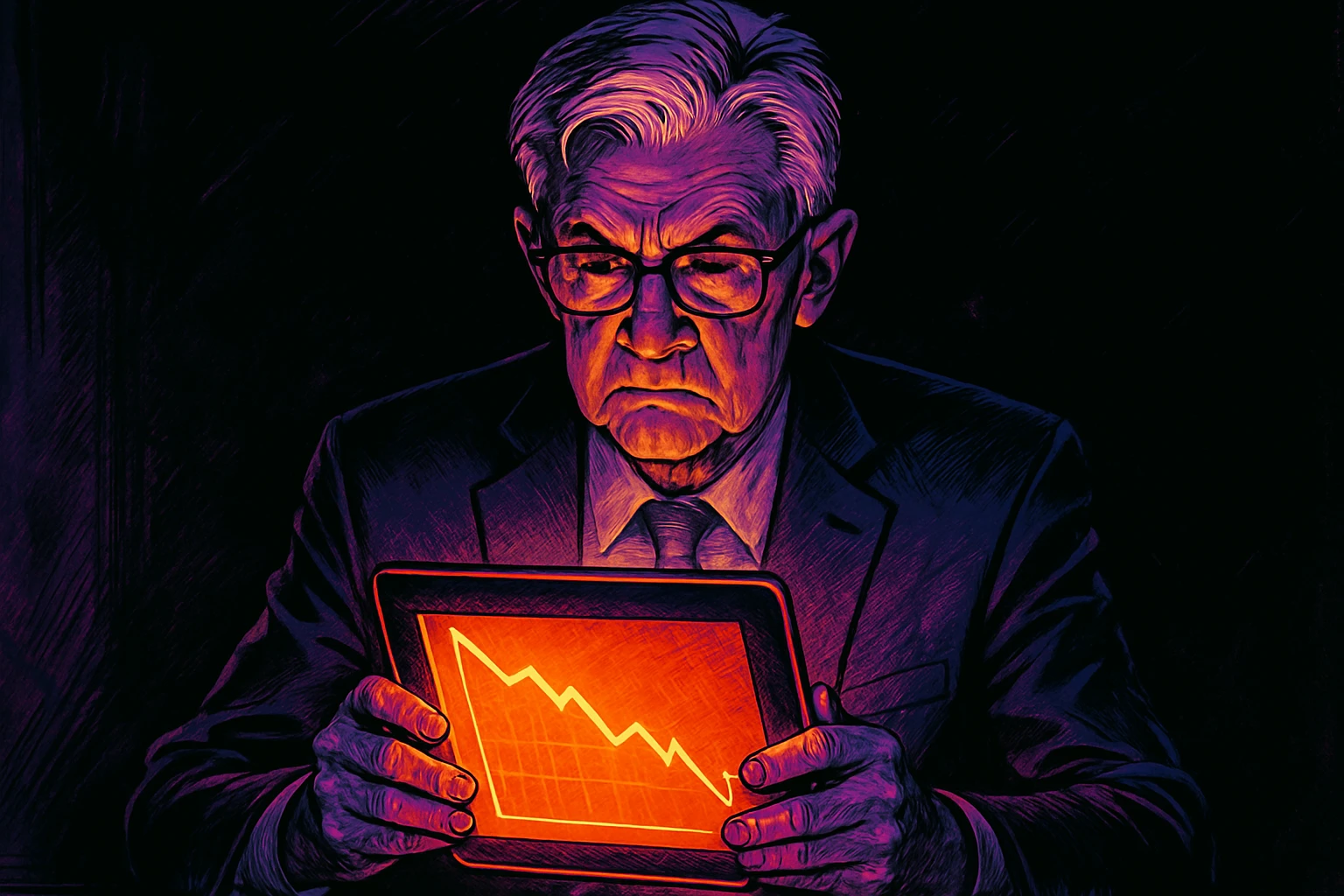
The American financial media giant CNBC announced on the 4th that it has launched a multi-year exclusive cooperation with Kalshi, the largest regulated prediction market in the United States. Starting in 2026, Kalshi's real-time probability data will be imported into CNBC's television channels, digital platforms and subscription services. In signature programs such as "Squawk Box" and "Fast Money", viewers will see a "Kalshi marquee" showing the probability of events such as the Federal Reserve's interest rate decisions and the results of the presidential election.
From reporting the current situation to predicting the next step
According to reports, this cooperation will officially take effect in 2026 and adopt a "two-way flow" model: CNBC will embed Kalshi's real-time data in the screen port, and the Kalshi website will also open a CNBC page to list popular events that CNBC is concerned about for users to trade or refer to.
This means that financial news will no longer be limited to traditional indicators such as stock prices and yield rates, but will include "event probability", an alternative data that can immediately reflect market consensus. Only days before the announcement, Kalshi reached a similar agreement with CNN, and mainstream media rushed to introduce prediction markets, showing that "collective intelligence" has become the new standard for financial narratives.
Probability ticker is risk radar
In the past, investors mostly relied on opinion polls or expert comments to judge macro trends. However, in an era of policy and geopolitical uncertainty, these tools often lag behind. The prediction market condenses many traders' judgments about the future into real-time probabilities through real money betting, providing a more sensitive "market thermometer."
For example, take the U.S. presidential election as an example. In the last month before the election, the difference between prediction markets and polls continued to widen, and multiple results have proven that the judgments of prediction markets are more accurate than those of public opinion polls.
Kalshi’s recent alliance with CNBC and CNN paves the way for the prediction market to be fully integrated into mainstream finance, upgrading “knowing the market” to “insighting the probability” and providing broader resources for this track.